Nosebleeds from Fall Allergies
Fall allergy season is one of the most common triggers for nosebleeds. Ragweed, pollen, and dust irritate and inflame your nasal passages — and the very medicines you take to fight back can make things worse. Understanding why it happens, how to prevent it, and what to do when it does is the first step to being prepared.
-
Causes
Nosebleeds occur when the thin, sensitive blood vessels inside your nose burst and bleed. During fall allergy season, exposure to ragweed, pollen, and dust irritates and inflames the nasal lining — making those vessels far more likely to rupture.
Your body's natural reactions to allergens — sneezing and nose-blowing — put sudden pressure on already-inflamed vessels, compounding the problem.
-
- Allergy Attacks. When allergens hit, your body releases histamines that cause blood vessels to expand and swell — making them far more prone to bursting. This is why fall allergy season is peak nosebleed season.
- Allergy Medicines. Antihistamines like Allegra or Claritin dry out your nasal walls — and dry, brittle nasal tissue bleeds even more easily. It's a catch-22.
Proper Treatment
The Old Way
Most people reach for tissues or whatever's nearby. But 1 in 6 people get nosebleeds every year — and cotton-based products are not designed for stopping blood. They absorb poorly, stick to the clot, and can worsen things when removed. Click here to learn more.
The Recommended Way
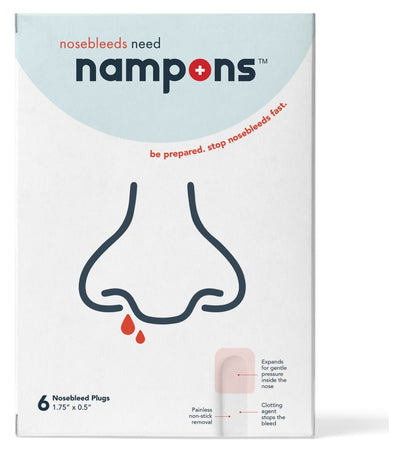
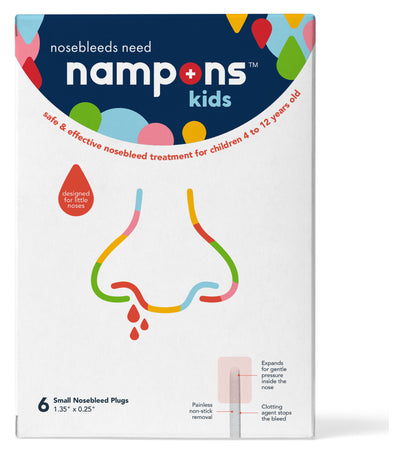
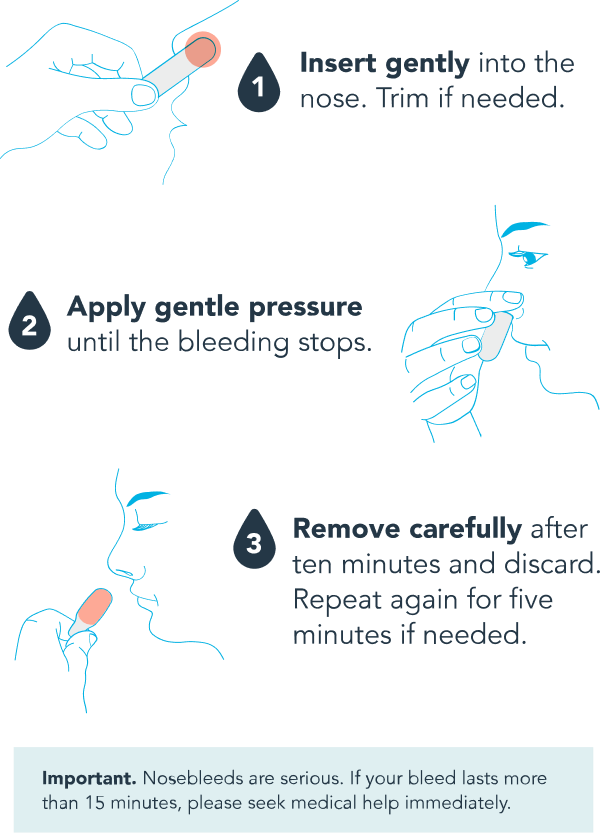
For over 20 years, hospitals, doctors, and ENTs have used nasal plugs to stop nosebleeds fast with far less mess. Nampons™ brings that same medical-grade solution over-the-counter — stop the bleeding in seconds, not minutes, and get back to your day.
-
Prevention
Fall allergy season is predictable — which means you can prepare for it. Since nosebleeds can strike anywhere and at the worst possible moment, taking steps to reduce your risk is just smart planning.
Of course, always be prepared. Just like you have Band-Aids™ for cuts and Benadryl for allergic reactions, keep Nampons™ in your car, purse, or medicine cabinet so you can handle a nosebleed fast and move on.
-
- Avoid your allergens. The most obvious and important way to prevent nosebleeds. If you know what your triggers are, try to avoid them.
- Use a saline spray. Saline sprays keep the nose from drying out - an unfortunate side effect of most antihistamine allergy medicines.
- Blow gently. If you do have to blow your nose, do it gently. A sneeze can reach speeds of 100 mph, so that little nose of yours is already going through a lot of turbulence!
- Check your medications. Some medications may dry you out more than others. If you find yourself getting chronic, allergy induced nosebleeds, try switching to a different medicine for your allergies or sinus issues.

"As an ENT surgeon, I know that up to 60% of people experience a nosebleed during their lifetime, and allergy sufferers are among the most commonly affected. Keeping Nampons on hand means you're always prepared — whether you're at work, in the car, or at home during peak ragweed season."
Dr. Tonia Farmer
Board-Certified Otolaryngologist — ENT
If you suffer from allergies, you need to be prepared. Add Nampons™ to your first aid kit now